11.06.2026
M.mag / brands / Cappellini “Carnet de Voyage”: Global Design Signals from Milan Design Week
share on Facebook11.06.2026
M.mag / brands / Cappellini “Carnet de Voyage”: Global Design Signals from Milan Design Week
share on Facebook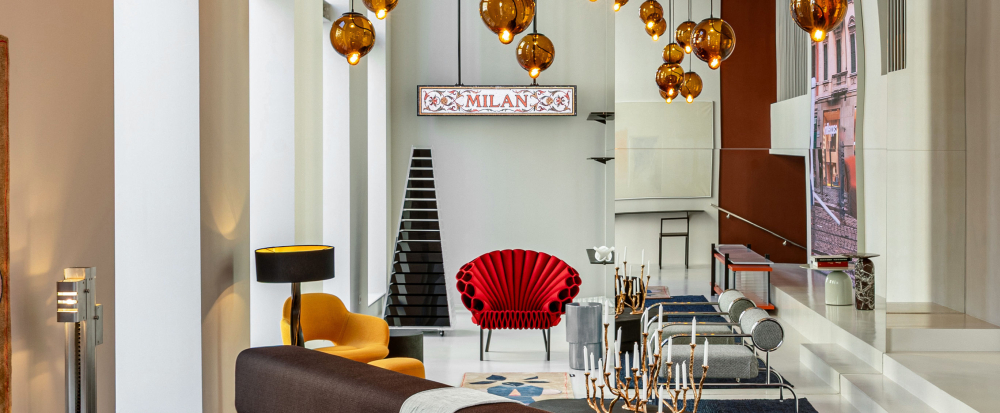
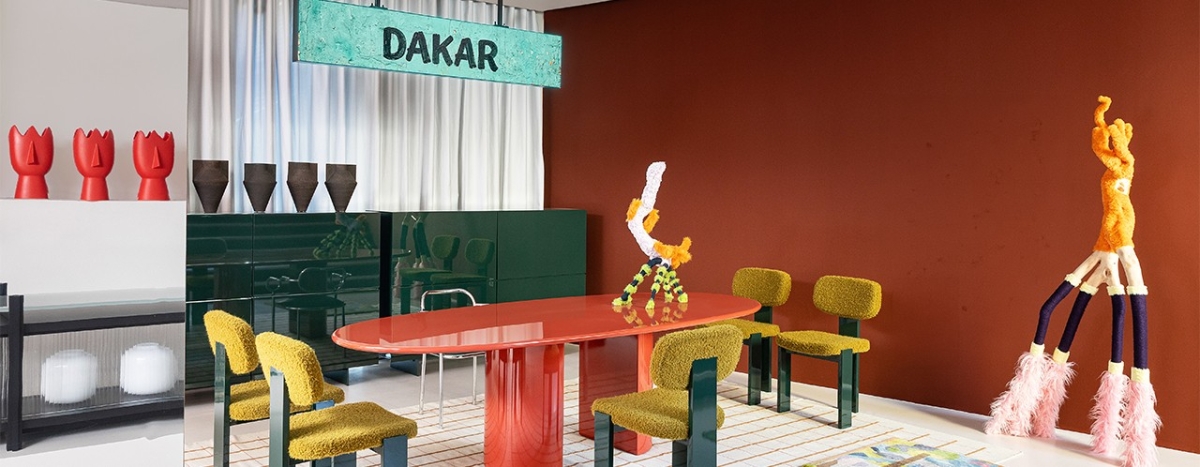
The city-by-city layout reflects a broader move toward mood-zoning: designing with emotional chapters rather than uniformity. Sound, color, and texture become tools for storytelling. For trend reporting, this matters because it reframes style as experience – something audiences can feel immediately, even before they can name it.
The concept explicitly positions Cappellini as a global talent scout, mixing iconic pieces with emerging designers. In trend terms, this is a blueprint for relevance: heritage provides authority, while new voices deliver surprise and forward momentum. For brands and specifiers, curated eclecticism becomes a competitive advantage because it mirrors how culture actually moves.
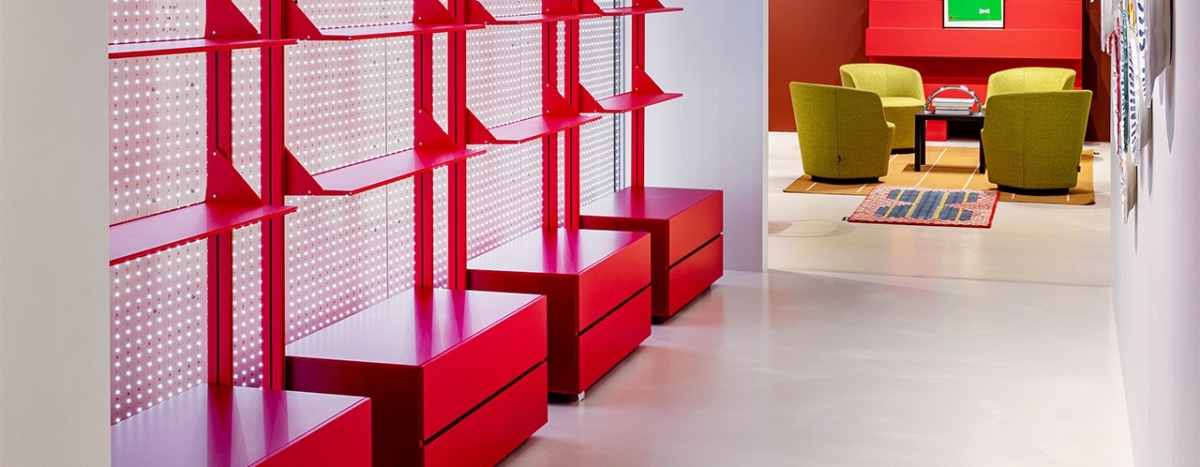
Across categories, the signal is clear: surfaces are designed to be experienced as much as seen. Cement-like haptics, glossy lacquer moments, and material upgrades (like marble tops) all point to a renewed appetite for tactility. In 2026, ‘premium’ is increasingly defined by how an object feels at first contact.
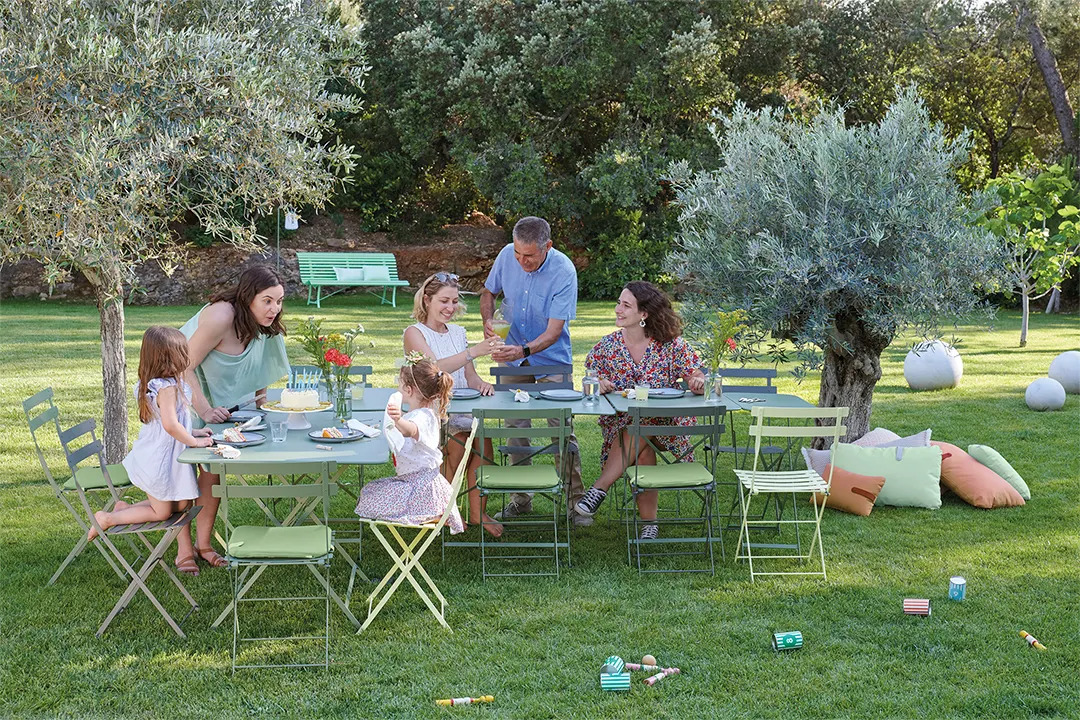
Design that travels between inside and outside is no longer niche. It reflects the normalisation of threshold living – terraces treated like rooms, lobbies like living spaces, offices like hospitality. For project teams, this multiplies use-cases and simplifies procurement: fewer objects, more contexts.
Storage returns as sculpture. Cabinets become narrative anchors, while shelving becomes a system for zoning, display, and identity. The key trend is functional architecture: objects that define space, not just furnish it.
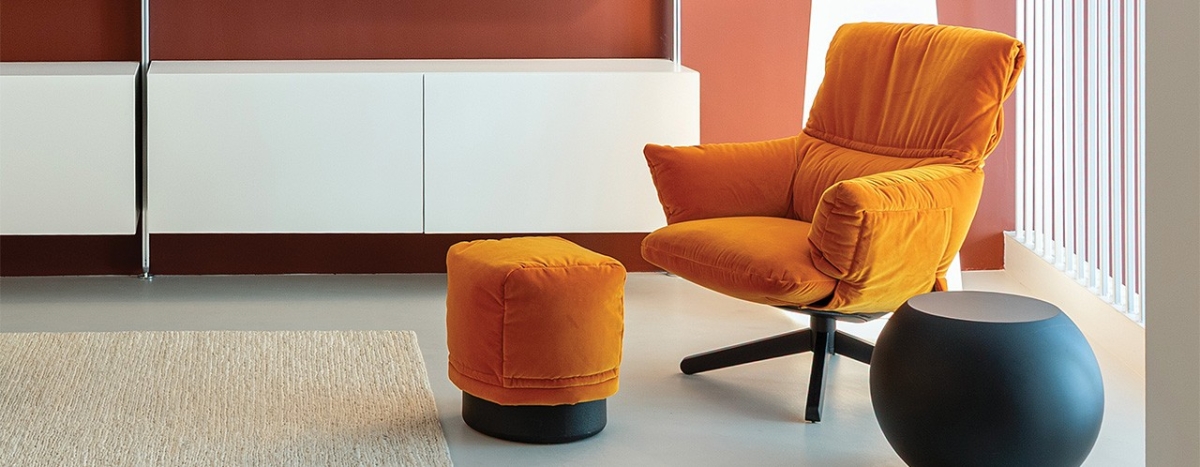
The convergence of contract and residential continues, but the emphasis shifts toward clarity: scalable formats, specification-friendly thinking, and comfort that remains project-ready. In trend reporting terms, this is the maturation of the hospitality-influenced workplace – and the workplace-influenced home.
Layered rugs extend modular thinking into soft finishes. Base + patterned overlay creates an editable interior – one that can evolve with seasons, events, or brand campaigns. Add to this the social narrative of cooperative production, and you see a complete 2026 value story: aesthetics, flexibility, and meaning.
Carnet de Voyage ultimately champions a new modern eclectic: pieces that can coexist across eras and origins, unified by curatorial confidence. It offers an optimistic thesis: openness – cultural, visual, and material – can be a design discipline, not a lack of direction.