05.11.2026
M.mag / acoustics / Acoustics in interior design: creating spaces that feel as good as they look
share on Facebook05.11.2026
M.mag / acoustics / Acoustics in interior design: creating spaces that feel as good as they look
share on Facebook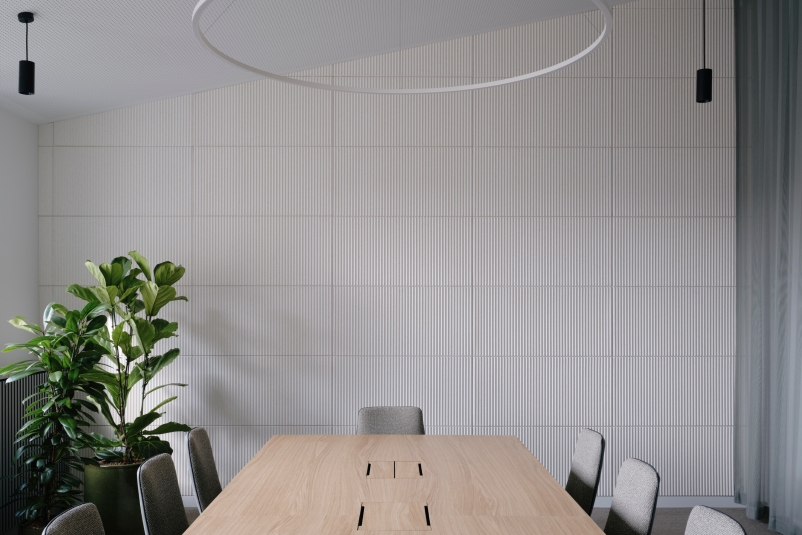
Every interior has its own soundscape.
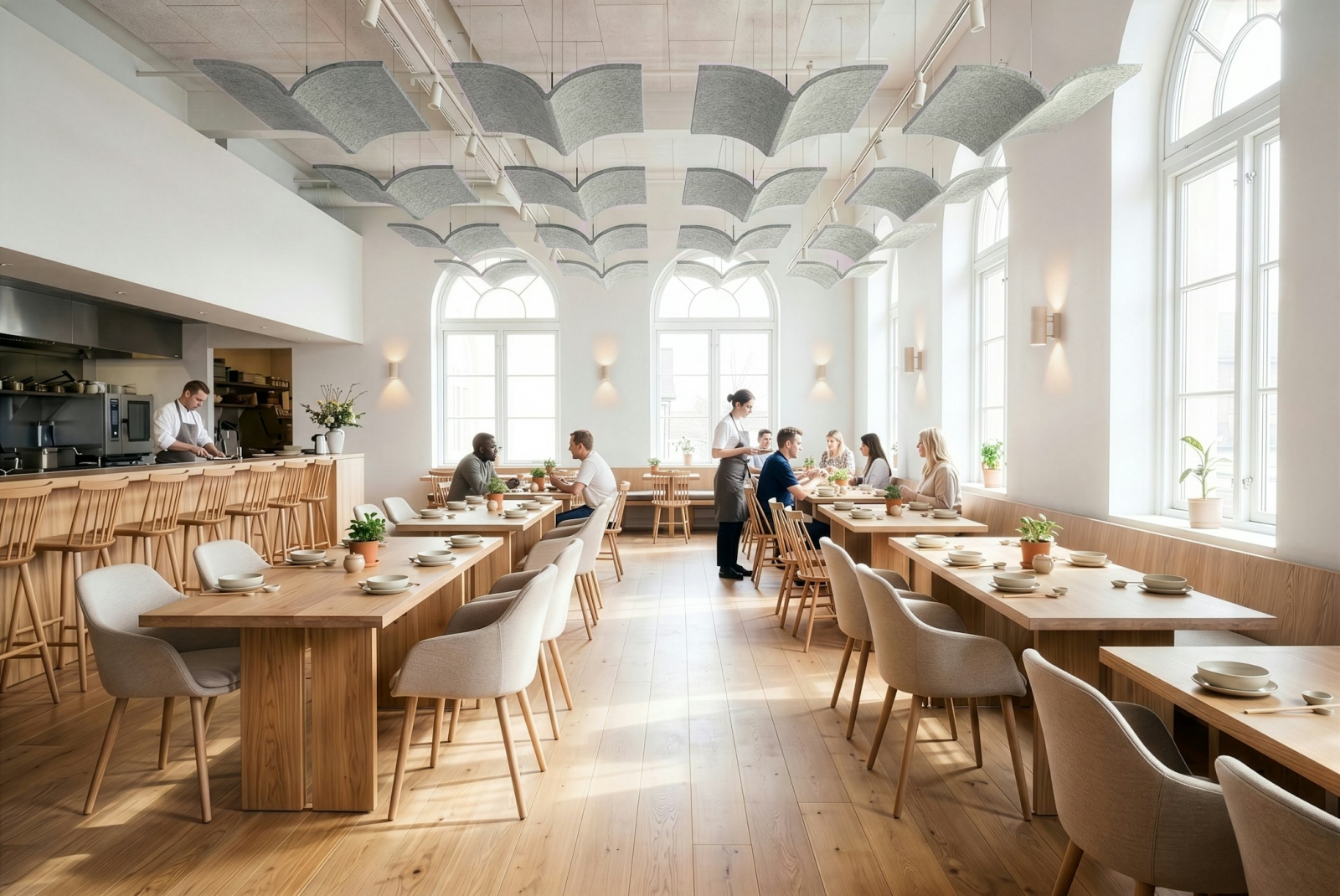
Hard surfaces like glass, concrete, and wood can create unwanted sound reflections, making conversations less clear. In meeting rooms, where communication matters, good acoustics are essential.
Thoughtful interior acoustics help create a balanced atmosphere, while acoustic materials add depth, texture, and rhythm to the architecture.
The idea is simple: instead of designing around acoustic requirements, design with them.
Every material has a purpose.
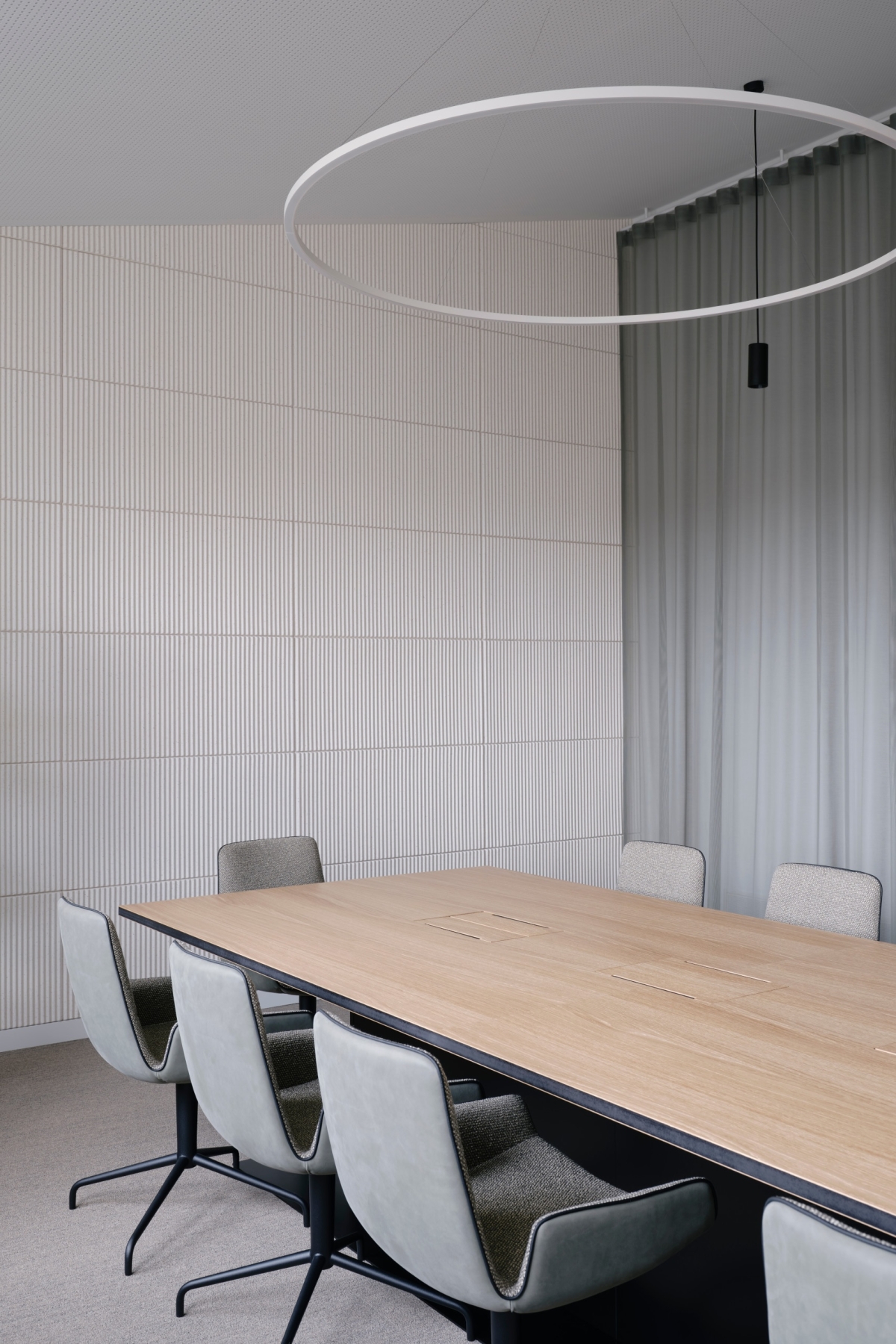
In a contemporary office for a consulting firm in Munich, soft greys, natural wood, and subtle textures create a calm atmosphere.
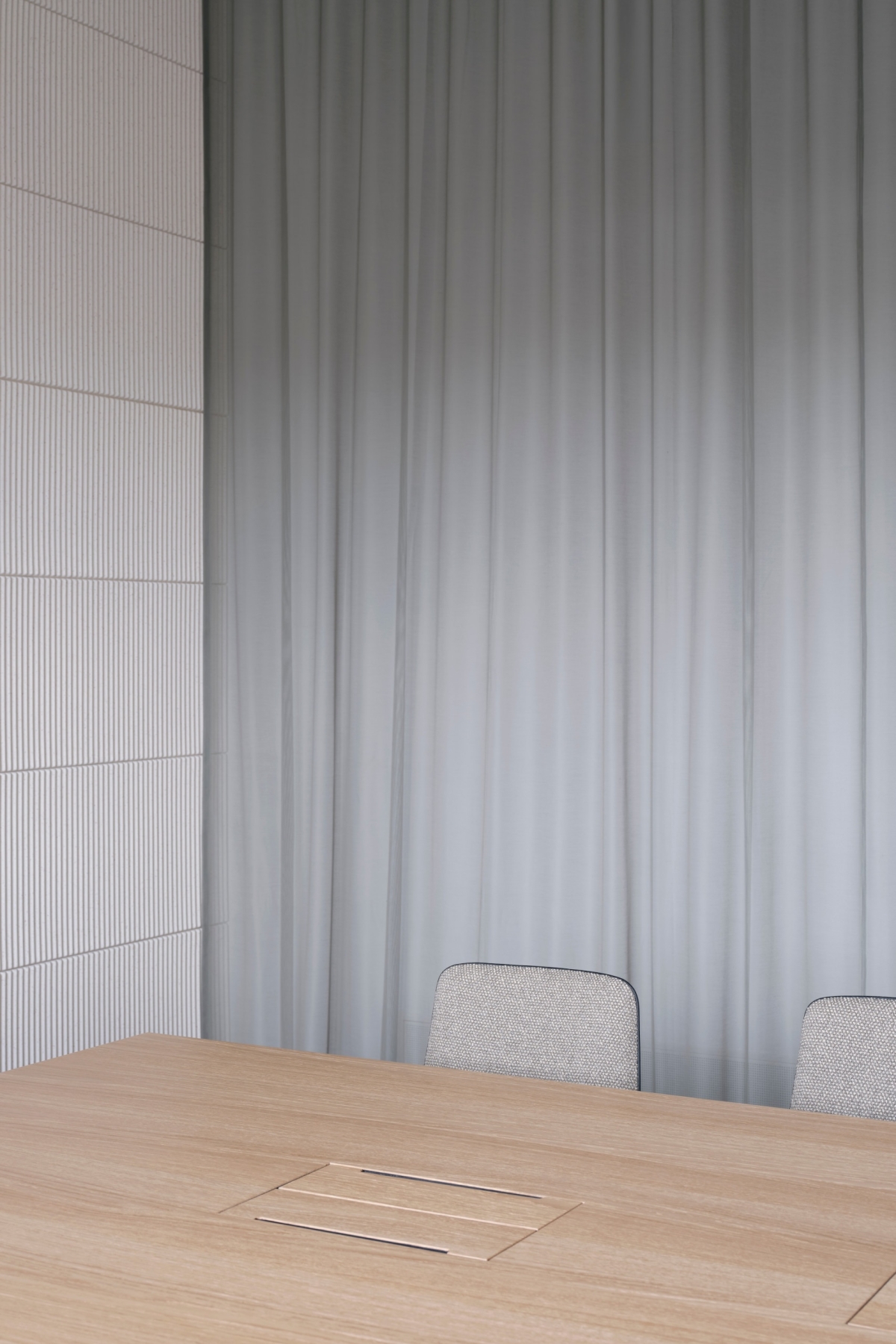
BAUX Acoustic Pulp Panels bring rhythm to the meeting room wall. Their linear pattern adds depth, while the sound-absorbing surface helps reduce reflections and support conversation.
The panels feel like a natural part of the architecture, balancing visual simplicity with acoustic function.

Colour sets the mood. Texture gives it character.
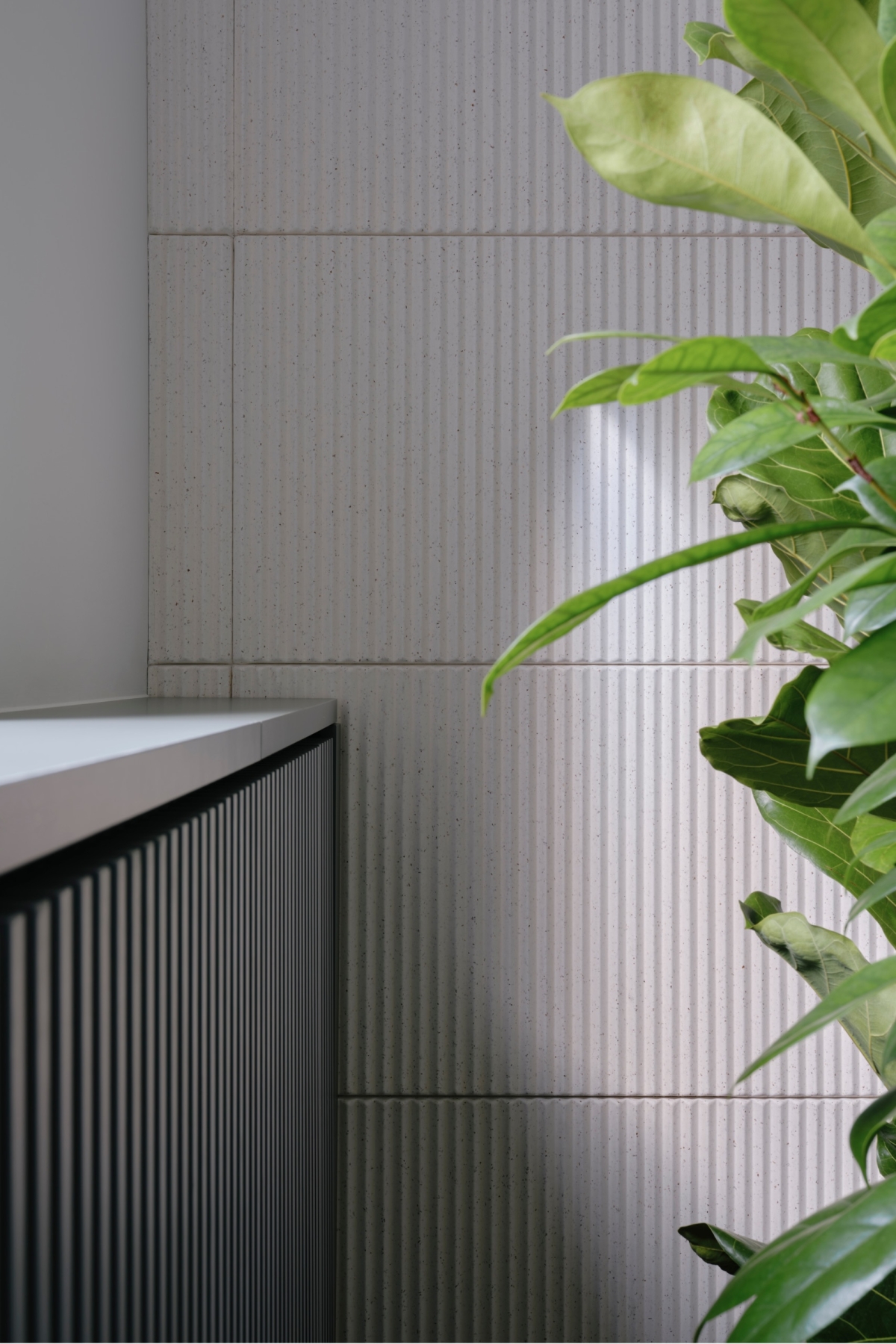
The sculptural surface of BAUX Acoustic Pulp brings depth, rhythm, and subtle shifts of light and shadow to the room. Up close, its natural texture reveals itself. From a distance, the linear pattern creates a sense of calm, balance and visual continuity.
In this Munich office, texture and light add warmth to a minimal interior, showing how acoustic design can make an impact without demanding attention.
A well-designed meeting room should invite ideas, encourage conversation, and make people feel at ease.
Achieving that balance requires looking beyond the visible. It means considering how sound moves through a space, how materials interact, and how every surface contributes to the overall experience.
When acoustics are treated as an integral part of interior design, they become more than a technical consideration.
They become part of what makes a space feel complete.